
Faster, More Confident Underwriting Starts With Better Property Data
Fast, structured property documentation that helps underwriting teams reduce delays, close inspection gaps, and make more informed policy decisions.
iVueit provides on-demand underwriting property verification for carriers, MGAs, and insurance inspection partners. A nationwide field documentation network captures current photos, condition data, access limitations, occupancy indicators, and risk observations, typically delivered within 24 to 72 hours.
The result is standardized, review-ready property data that supports new policy underwriting, renewal reviews, corrective action verification, portfolio audits, and exception follow-up.
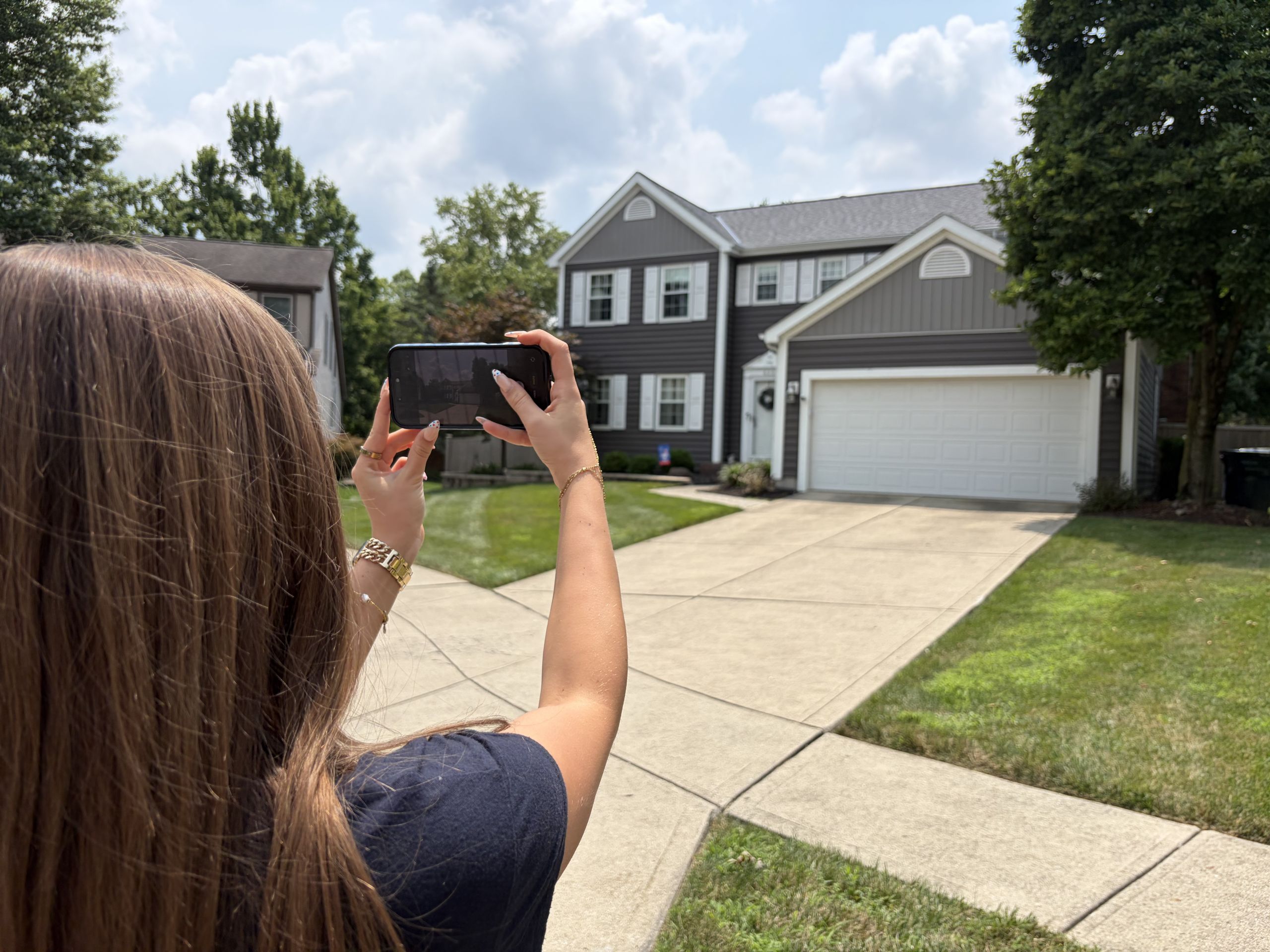



Property evidence your underwriting team can act on.
Capture current property conditions, verify risks, document corrective actions, and support more confident underwriting decisions across your portfolio.

Verify property conditions without waiting on a traditional inspection.
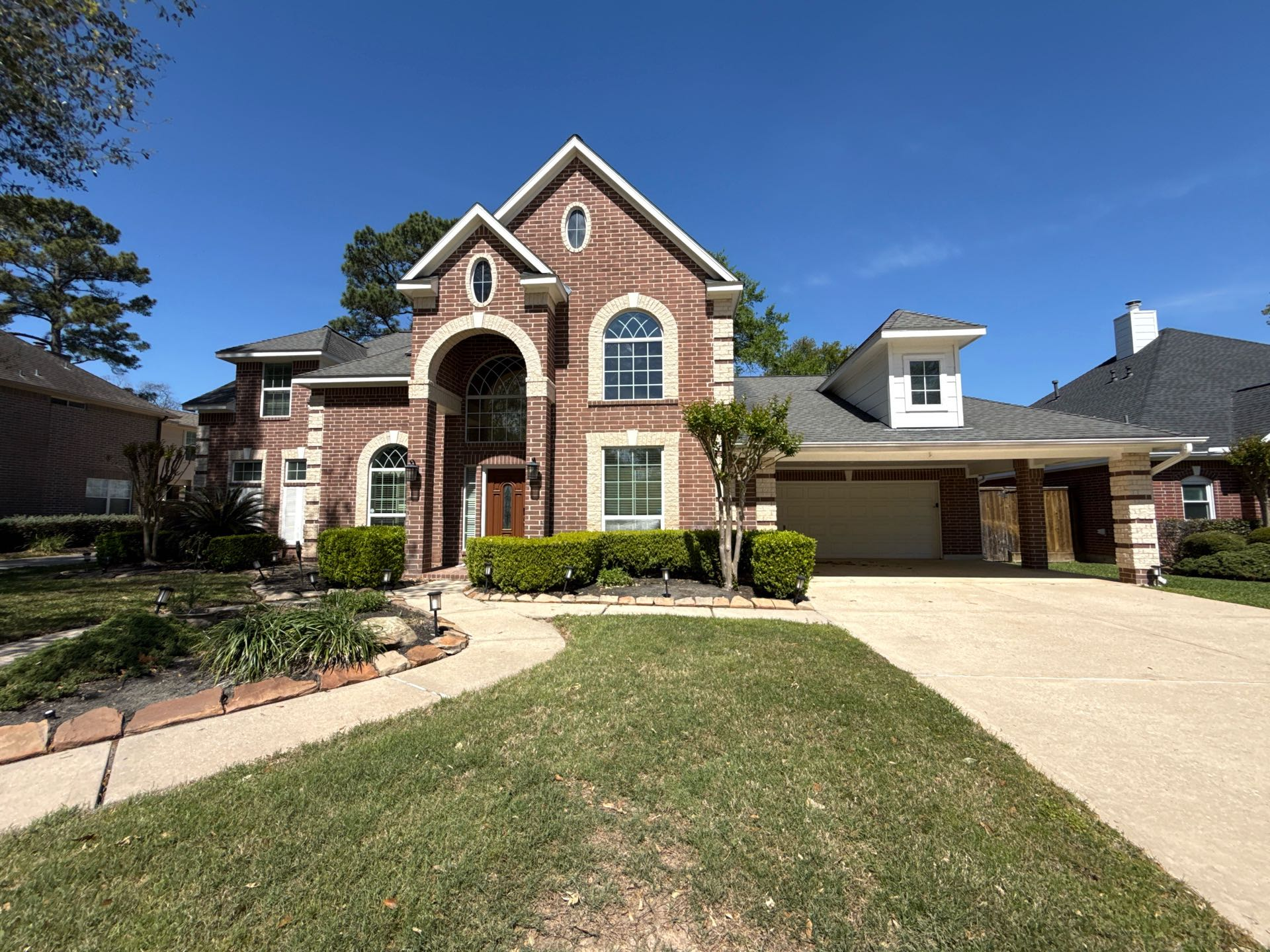
Capture exterior photos, visible hazards, occupancy indicators, and overall site condition through a structured property visit.

Document visible risks before they become underwriting surprises.
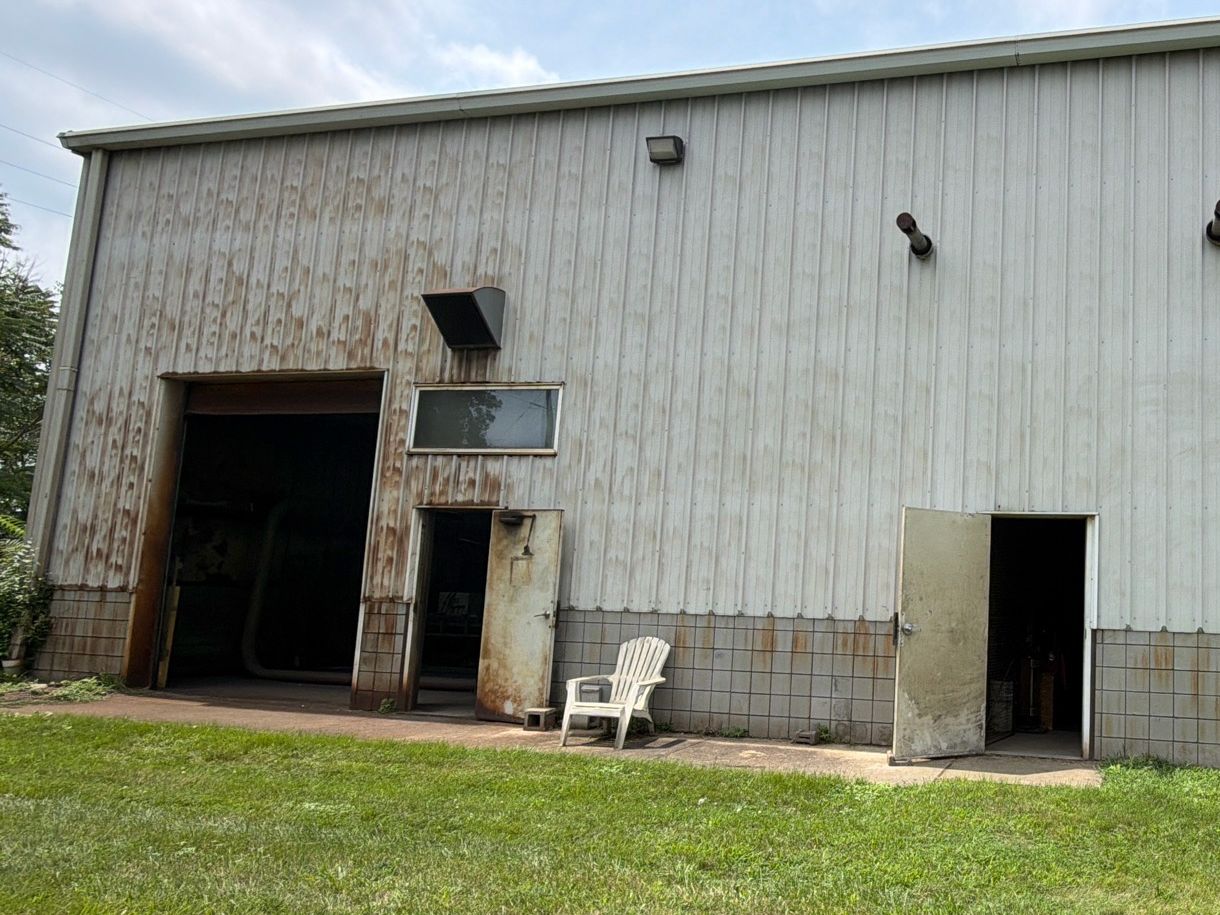
Identify roof concerns, overgrown vegetation, debris, damaged structures, unsecured access, and other visible risk indicators.
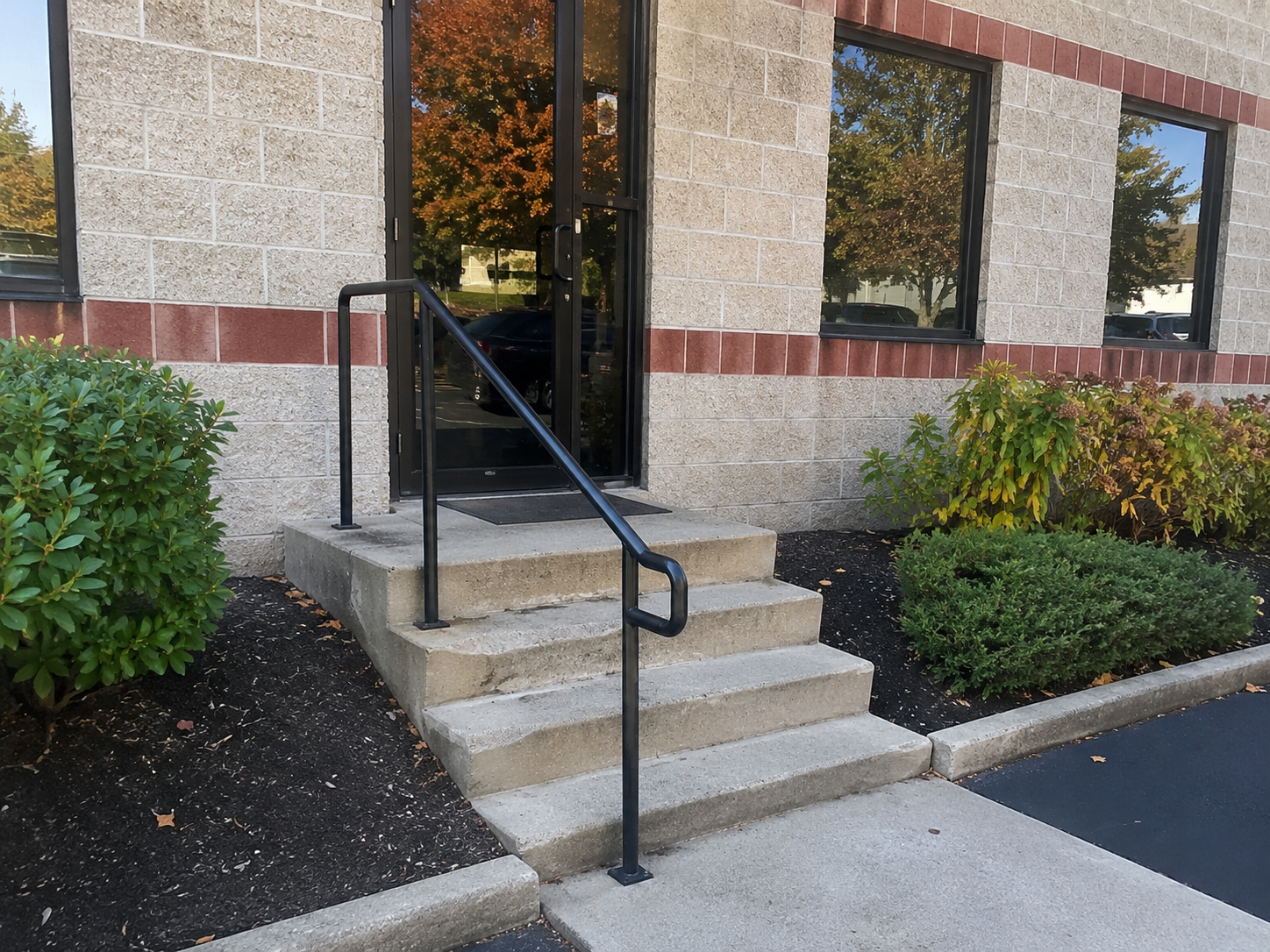
Confirm required corrections were completed.
Replace self-reported updates with current, timestamped evidence that supports renewal and underwriting review.
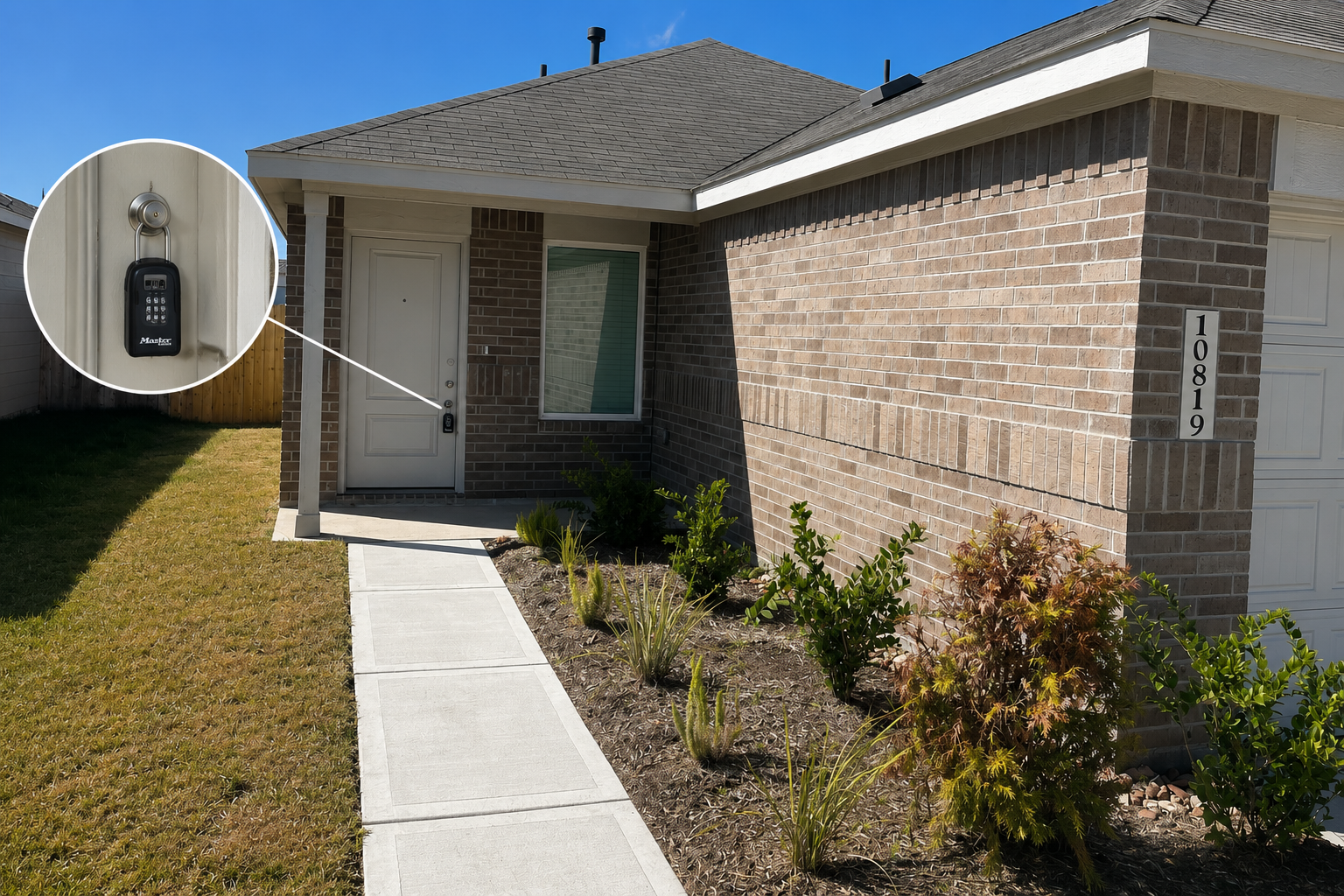
Confirm occupancy and vacancy conditions at the property.
Document signs of occupancy, vacancy, abandonment, deferred maintenance, or unauthorized activity.
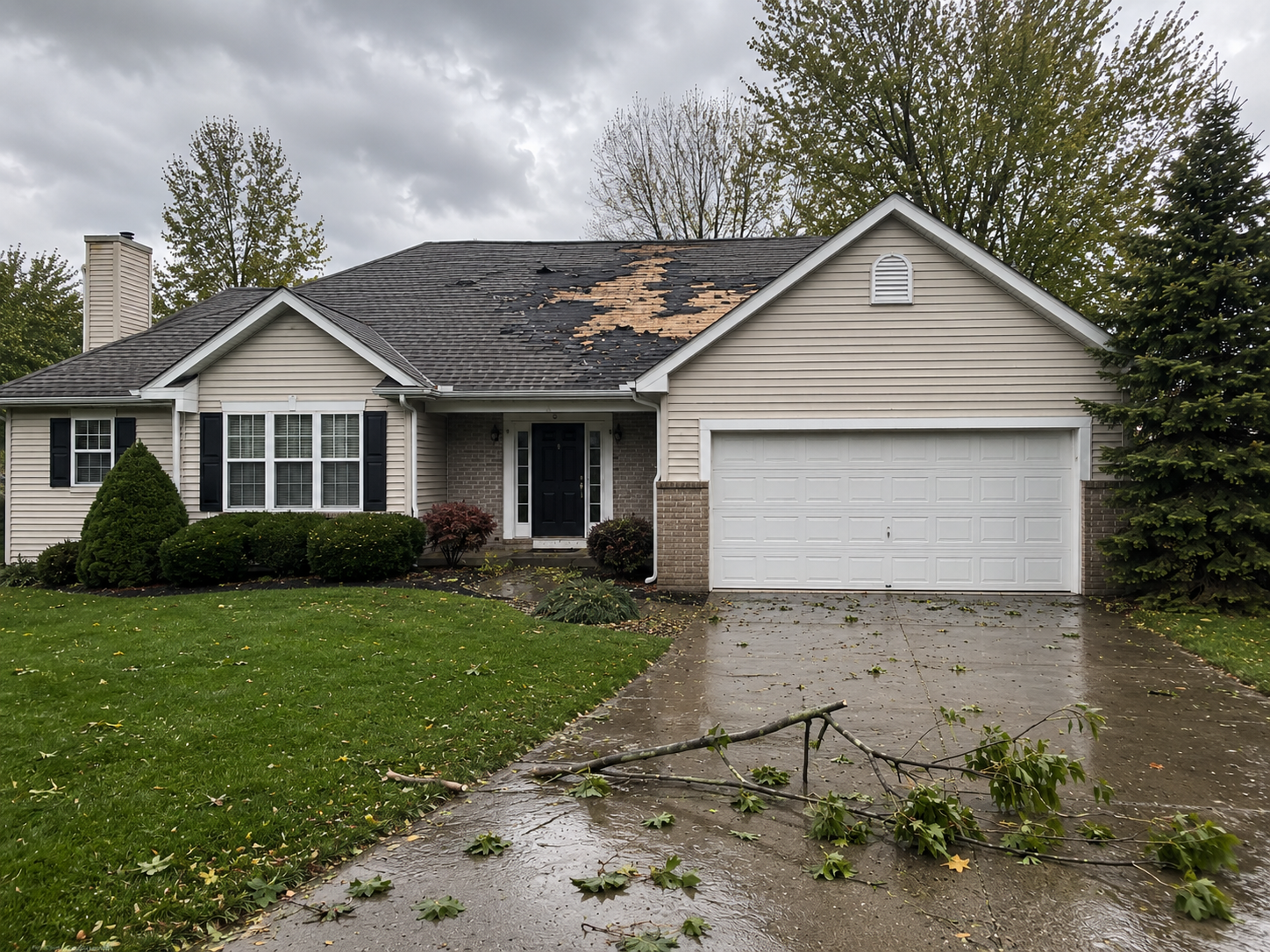
Scale property visibility after severe weather events.
Capture current conditions across impacted locations without adding temporary field headcount or delaying initial triage.

Extend inspection capacity across dispersed territories.
Complete structured site visits across urban, suburban, and rural markets using one consistent documentation process.
Underwriting teams cannot make confident decisions without current property evidence.
Property conditions change long before traditional inspections, vendor reports, or policyholder updates reach underwriting. Without independent verification, decisions are often made using outdated information.
Underwriting is making decisions on stale information
Properties can change between inspections, renewals, or reported updates, leaving underwriting with an incomplete picture of current risk.
Self-reported corrections are difficult to verify
A policyholder may say a condition has been corrected. Without independent documentation, underwriting is still relying on an assumption.
Property risk changes faster than traditional inspections
Vacancy, storm damage, deferred maintenance, or unsecured conditions can develop long before the next scheduled inspection.

Where Insurance Teams Use iVueit
iVueit supports property verification across new business, renewals, corrective actions, portfolio reviews, high-risk screening, and high-volume underwriting programs without adding field headcount.
Verify property condition before issuing coverage.
Capture current exterior condition, visible hazards, occupancy indicators, and property-level risk details when underwriting needs additional evidence before binding a policy.
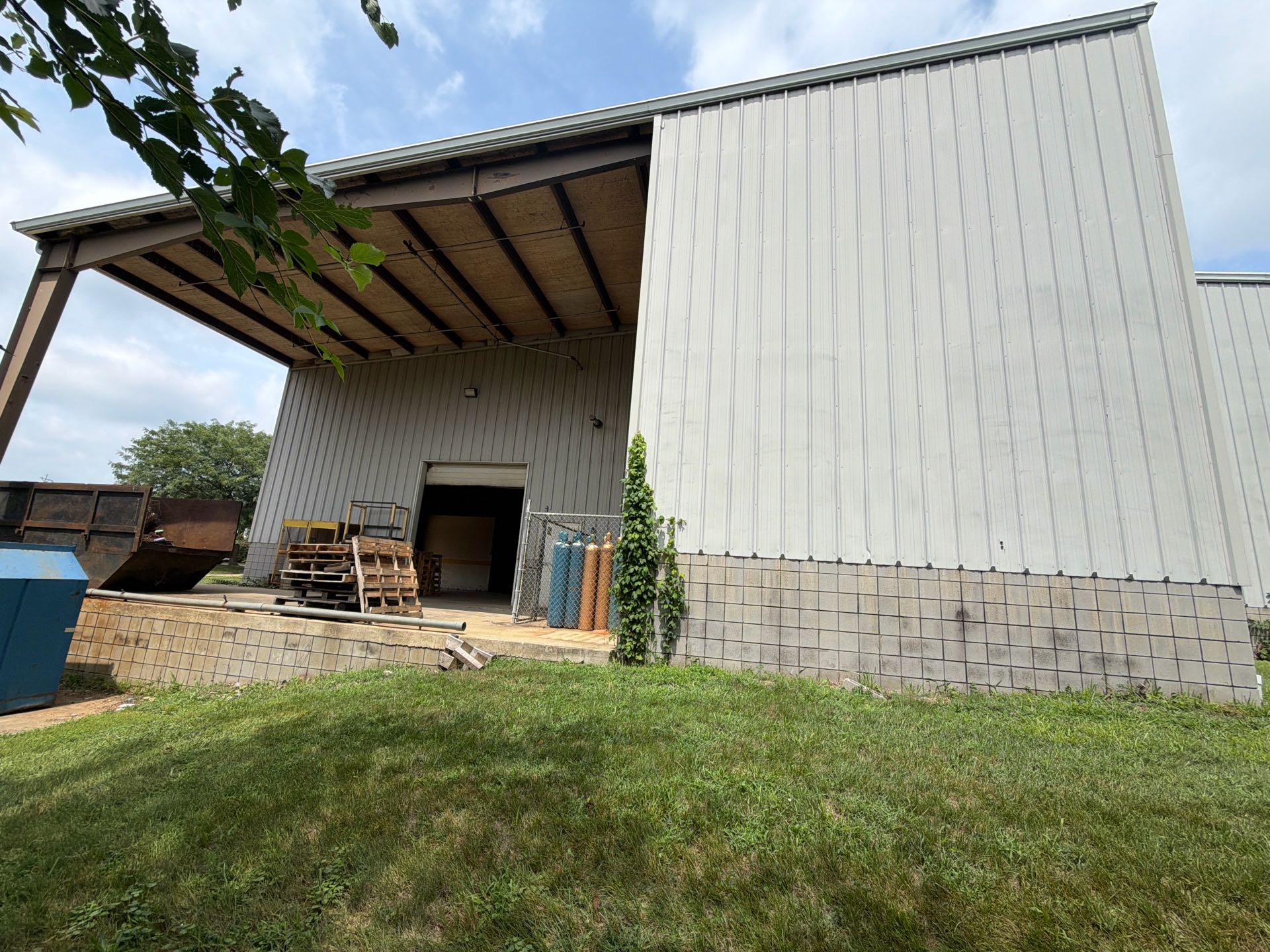
Update property data before renewal deadlines.
Confirm current conditions without waiting for a full traditional inspection, helping underwriting teams reduce avoidable cancellations and non-renewals caused by missing documentation.

Confirm required property corrections were completed.
Replace policyholder promises with current photos, timestamps, survey responses, and field observations that underwriting can review before renewal or continued coverage.
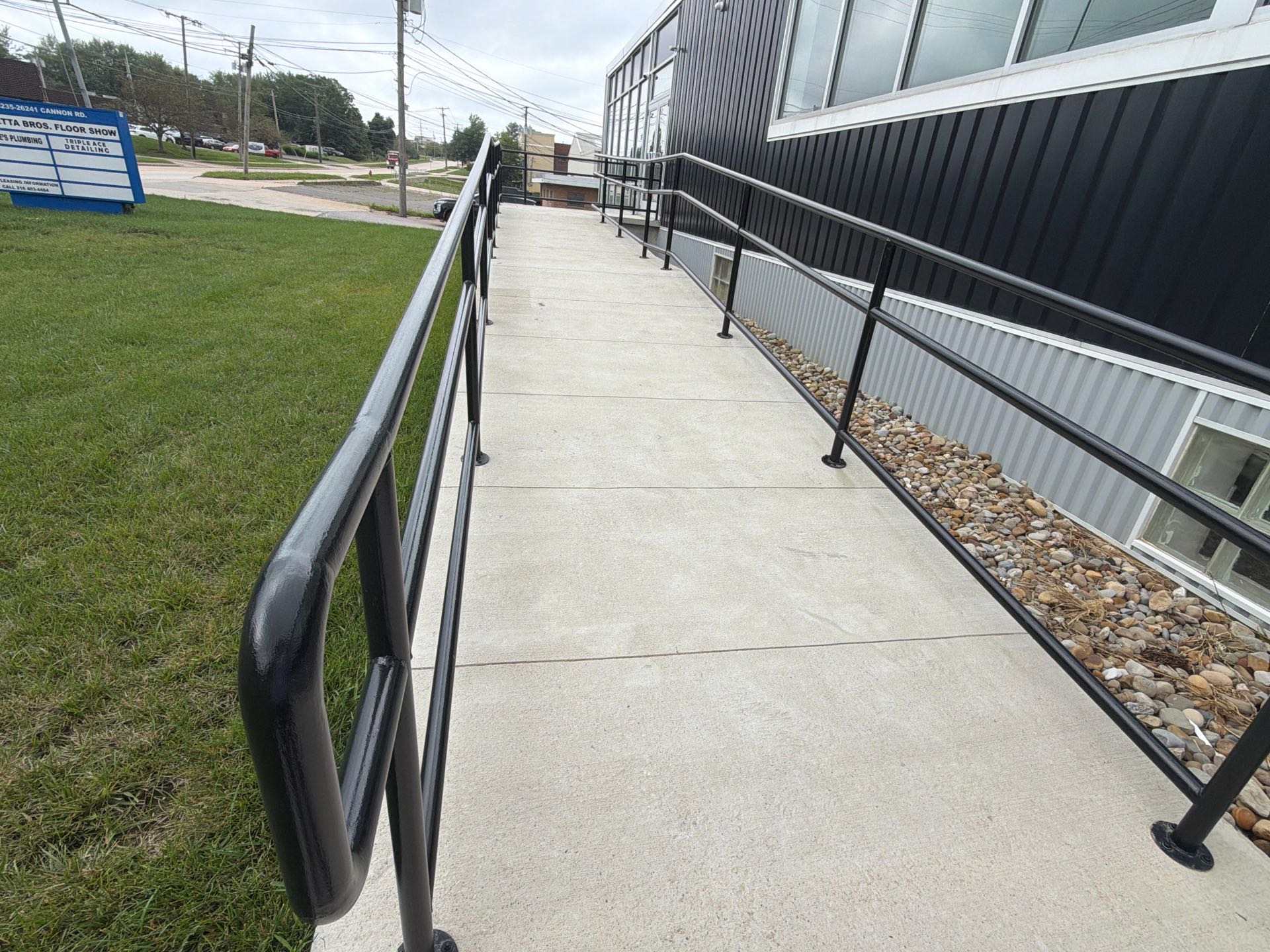
Expand field capacity during peak inspection demand.
Support catastrophe response, seasonal backlogs, renewal surges, and portfolio-wide verification with a scalable field documentation network across multiple markets.

Standardize property verification across an entire book.
Review selected policies, territories, or property groups using one consistent survey and documentation process across urban, suburban, and rural markets.
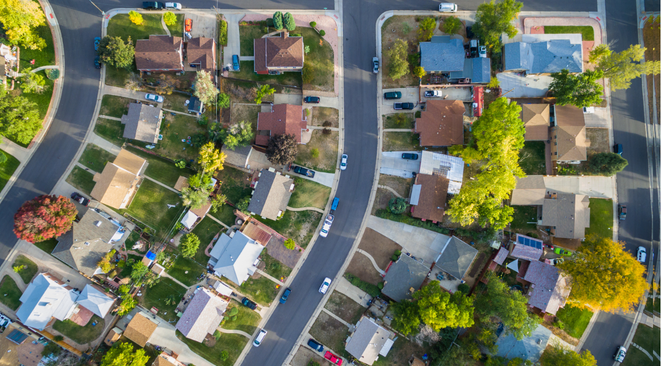
Investigate risk flags before making an underwriting decision.
Dispatch targeted property verification when aerial imagery, third-party data, application details, or previous inspection results identify conditions that require additional review.
These underwriting solution areas connect to the Vue Library, where your team can explore specific insurance Vues by use case, urgency, property type, and documentation need.
View Featured Insurance VuesWho Uses iVueit for Insurance Property Verification?
iVueit supports insurance teams that need current property evidence, standardized field documentation, and faster inspection capacity across distributed portfolios.
Underwriting Teams
New business and renewal underwriters use iVueit to verify exterior condition, occupancy indicators, hazards, access limitations, and corrective actions before making policy decisions.
Loss Control & Risk Teams
Loss control and risk teams use iVueit to document visible property concerns, verify remediation, support exception reviews, and expand field visibility without sending employees to every location.
Carriers, MGAs & Inspection Partners
Insurance carriers, MGAs, and inspection partners use iVueit to add flexible field capacity, maintain standardized outputs, and support high-volume or hard-to-reach inspection programs.
What Triggers an Insurance Team to Call iVueit
These operational events move underwriting teams from waiting on traditional inspections to requesting current property verification. Each trigger connects to a specific insurance inspection workflow.
The inspection deadline is approaching, but no result is available.
A traditional inspection is delayed, unclaimed, incomplete, or unavailable before an underwriting deadline.
Current property photos, structured survey responses, timestamps, GPS data, and review-ready documentation.
A property condition requires additional underwriting review.
Application data, aerial imagery, prior inspections, or third-party records identify a potential risk that needs current field evidence.
Targeted documentation of visible hazards, exterior conditions, occupancy indicators, and property-level exceptions.

A policyholder says the required correction was completed.
Underwriting receives a verbal or written update, but no independent evidence confirms the condition was corrected.
Current photos, field observations, timestamps, and structured documentation tied to the original corrective action.

The policy is approaching renewal without current property data.
Underwriting must make a renewal decision using outdated inspection records, incomplete updates, or assumptions about current condition.
Updated property condition evidence that supports renewal, conditional renewal, or follow-up decisions.
Inspection demand exceeds available field capacity.
Severe weather, seasonal renewals, portfolio audits, or backlog volume creates more inspection demand than existing vendors can handle.
Scalable field documentation across affected markets using one standardized survey and reporting process.

The team needs consistent verification across a book of business.
Underwriting needs standardized property data across selected policies, territories, property types, or high-risk segments.
Consistent photos, survey responses, notes, metadata, and portfolio-level documentation ready for comparison.

Featured Insurance Vues
Explore common insurance inspection workflows underwriting and risk teams use to verify property condition, document exceptions, confirm corrective actions, and support faster policy decisions.
Showing all featured Insurance Vues
Exterior Property Condition Inspection
Document exterior condition, visible hazards, occupancy indicators, debris, access concerns, and overall property maintenance before coverage is issued.
View Vue Renewal VerificationRenewal Property Condition Review
Capture current property evidence before a renewal deadline when existing inspection records are outdated or incomplete.
View Vue Corrective ActionCorrective Action Verification
Confirm required repairs, maintenance items, hazard corrections, or property updates with current, independently collected documentation.
View Vue Vacancy and OccupancyOccupancy and Vacancy Verification
Document signs of occupancy, vacancy, abandonment, unauthorized use, deferred maintenance, or access limitations at the property.
View Vue CAT ResponsePost-Storm Property Triage
Capture visible storm damage, debris, roof concerns, water impact, access conditions, and immediate property risks after severe weather.
View Vue Portfolio AuditPortfolio-Wide Property Verification
Run one standardized inspection workflow across policies, territories, property types, or high-risk segments using consistent documentation.
View Vue
Faster Property Evidence. More Confident Insurance Decisions.
Insurance teams use iVueit to reduce inspection delays, verify current property conditions, document corrective actions, and maintain underwriting momentum across distributed portfolios.
Property documentation is typically completed and returned quickly enough to support underwriting and renewal timelines.
Dispatch consistent property verification across metro, suburban, and rural markets without building additional field teams.
A large distributed network gives insurance teams scalable inspection capacity for individual risks, portfolio programs, and volume surges.
How iVueit Works for Insurance Teams
iVueit gives underwriting and risk teams an on-demand property verification layer when inspection delays, access limitations, volume, or documentation requirements exceed the current field model.
Request a Vue
Select the property, inspection scope, timing, survey requirements, photos, video, measurements, or access instructions needed for the underwriting decision.
Define the scopeCapture Current Property Evidence
A nearby viewer travels to the property and captures GPS-tagged, timestamped photos, structured survey responses, notes, video, and requested measurements.
Field documentationReview the QC-Checked Results
Every completed inspection is reviewed for clarity, completeness, GPS verification, and usability before the documentation is released to the client portal.
QC-reviewed resultsAct on the Property Record
Underwriting and risk teams receive structured evidence for new business, renewal review, corrective action follow-up, portfolio analysis, or escalation.
Use the evidenceBuilt for repeatable insurance property verification.
Use iVueit for one urgent inspection, a corrective action follow-up, a recurring portfolio program, or a high-volume underwriting need.
Insurance Property Coverage Beyond Major Metros
iVueit helps carriers, MGAs, inspection partners, and underwriting teams complete property verification across metro, suburban, rural, and hard-to-reach markets throughout the United States, Canada, and Puerto Rico.
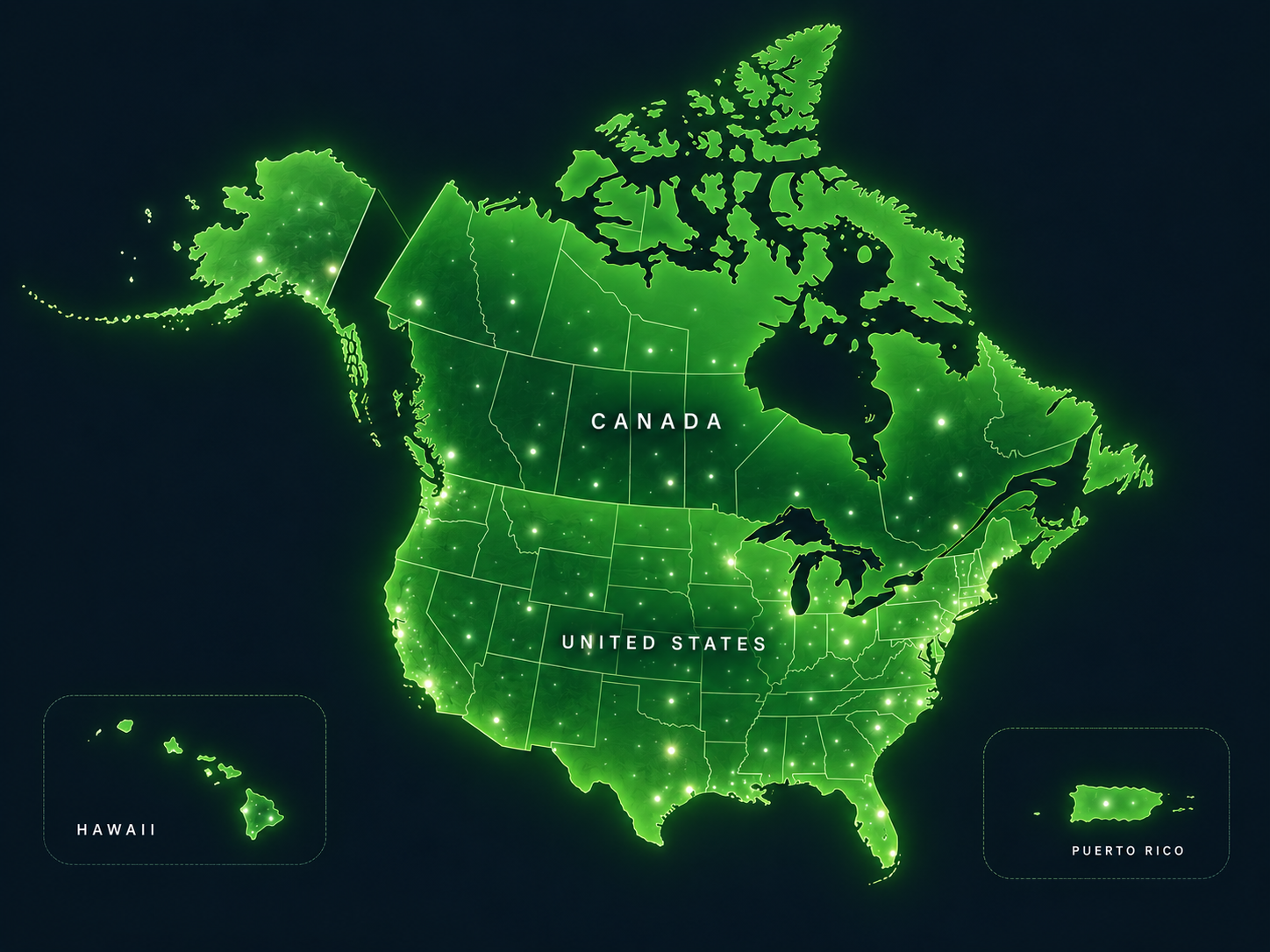

Distributed coverage where traditional inspection networks get thin.
Traditional vendor networks often concentrate resources in major metros. iVueit helps underwriting teams request consistent property documentation across a broader mix of markets without maintaining regional field staff.
50 states, Canada, and Puerto Rico
Support new business, renewal, corrective-action, and portfolio programs across borders, territories, and diverse property markets.
Background-checked Vuer options
Select background-checked Vuer workflows when the inspection scope, property type, or documentation standard requires an added layer of trust.
Urban, suburban, and rural reach
Request current property evidence beyond major metros, including lower-density routes and locations that are difficult for traditional inspection models to cover efficiently.
Single inspections to portfolio volume
Dispatch one targeted property review or coordinate standardized documentation across large books of business without adding permanent field headcount.
Built to Answer the Question
Every Underwriter
Eventually Asks
How Do We
Know?
Application data, policyholder updates, vendor reports, and internal notes can leave room for uncertainty. iVueit gives insurance teams an independent property-verification layer built around structured field documentation, trusted Vuer routing, metadata-backed evidence, and review before delivery.
What Makes iVueit Verification Defensible
Independent Field Capture
Property documentation is collected by a Vuer who is separate from the policyholder, vendor, contractor, tenant, or internal team whose update is being verified.
Trusted Vuer Routing
Preferred, Elite, and background-checked Vuer options help insurance teams apply the right level of field assurance based on property type, scope, and inspection requirements.
Metadata-Backed Evidence
Property photos and survey responses can include site-level context such as GPS data, timestamps, notes, and structured answers that support underwriting review.
Review Before Delivery
Completed Vues are reviewed for clarity, completeness, and usability before the final property documentation reaches your underwriting or risk team.
From Property-Level Evidence to Underwriting Action
iVueit turns field documentation into structured property intelligence. Whether inspection data enters through the Vuer Network, internal teams, inspection partners, or connected systems, the output becomes organized evidence underwriting teams can review, compare, and act on.
Capture property data from the workflow that fits your operation.
Use iVueit as a field network, internal-team workflow, inspection partner workflow, or connected property data source.
Vuer Network
Independent Vuers capture field documentation when your team needs third-party property visibility.
Internal Team App
Your own teams can capture property photos, video, survey responses, and notes inside iVueit.
Inspection Partner Workflow
Inspection partners can submit structured field evidence through controlled workflows instead of scattered email attachments.
API
Completed results and structured property data can connect into existing underwriting and operational systems.
Photos, videos, surveys, timestamps, location data, notes, and property context.
Field inputs become structured, labeled, and stored property documentation instead of disconnected updates across email, text, PDFs, spreadsheets, and vendor portals.
Exception detection, risk review, comparison, and underwriting queues.
iVueit helps teams organize what came back from the field, identify what needs attention, compare properties, and determine where additional review or escalation is required.
Policy decisions, renewals, corrective-action follow-up, escalations, and portfolio review.
Teams can use verified results to support new-business decisions, renewal reviews, conditional actions, corrective-action verification, client reporting, or connected downstream workflows.
Insurance Property Verification FAQs
Answers to common questions from insurance carriers, underwriting teams, MGAs, and inspection partners evaluating iVueit for property verification.
What is insurance property verification?
Insurance property verification provides current, site-level documentation that underwriting teams can use to better understand property conditions, confirm requested information, and support risk evaluation.
How does iVueit help insurance teams verify property conditions?
iVueit provides on-demand field documentation through structured workflows that can include photos, videos, survey responses, timestamps, location information, and requested property observations.
What types of property documentation can iVueit capture?
Workflows can be configured to capture exterior conditions, property features, hazards, occupancy indicators, measurements, corrective-action evidence, surveys, photos, video, and other information required by the inspection scope.
Can iVueit support multi-state insurance portfolios?
Yes. iVueit uses a distributed field network to support property documentation across markets, helping insurance teams coordinate verification without building separate local inspection capacity for every geography.
How fast can iVueit complete insurance property inspections?
Many property verification requests can be completed within 24–72 hours depending on location, scope, access requirements, market conditions, and inspection complexity.
Does iVueit replace internal insurance inspection teams?
Not necessarily. iVueit can operate as an additional field verification layer when internal capacity, geography, inspection volume, or turnaround requirements make internal deployment inefficient.
Can iVueit help reduce vendor disputes?
Independent, timestamped property documentation can create a clearer record of what was observed at a location and provide underwriting or operations teams with evidence for follow-up and review.
Can iVueit verify corrective actions and property improvements?
Yes. Follow-up verification can document whether requested property corrections or improvements are visibly complete and provide updated evidence for underwriting review.
What does an iVueit insurance inspection report include?
Inspection output can include structured survey responses, timestamped photos, property observations, location information, notes, requested measurements, and other documentation defined by the inspection workflow.
Where does iVueit provide insurance inspection coverage?
iVueit supports distributed property verification across the United States, with broader coverage options available depending on program requirements and inspection scope.
Can iVueit support recurring audits and portfolio spot checks?
Yes. Insurance teams can use recurring verification programs, portfolio reviews, exception checks, and targeted follow-up workflows across multiple properties.
How is iVueit different from traditional inspection models?
iVueit is designed around flexible, on-demand property verification with structured workflows and distributed field capture, giving insurance teams another option when traditional inspection models create delays, access limitations, or capacity constraints.
See What an Insurance
Vue Looks Like
Get a closer look at how iVueit captures property conditions, underwriting evidence, corrective-action documentation, and structured inspection data in a clear, review-ready format.
Built for insurance teams that need faster property visibility, consistent field documentation, and clearer evidence for underwriting decisions.