

2025 year in review: how field verification changed facilities and property operations
What changed in 2025 for teams managing facilities, rental homes, retail stores, and insured properties: why self-reported vendor data lost trust, what independent site inspections turned up, and three questions to answer before 2026 planning.
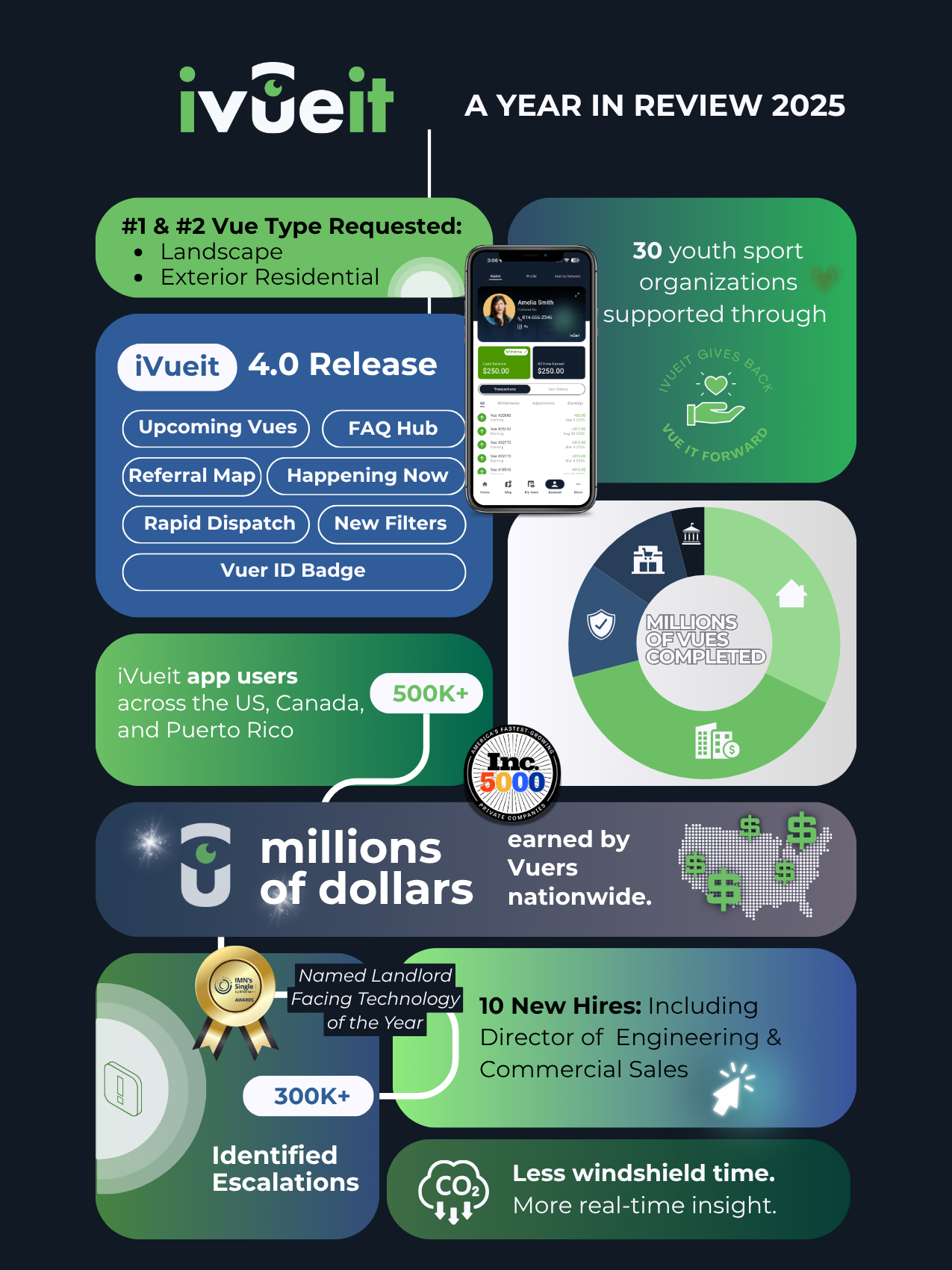
- Self-reported data lost its credibility. Vendor photos and “it’s handled” emails stopped being enough to close a work order or defend a decision.
- Trust moved ahead of speed. Independent, location-verified, human-reviewed documentation became the expectation, not the upgrade.
- Lean teams multiplied their reach, not their headcount. Verification became how a small office covers a national portfolio.
2025 didn’t just move fast. It exposed something most operations still underestimate.
The physical world runs on small truths.
A plow that didn’t come.
A light that stayed out.
A shelf that went empty.
A vendor who swore it was handled.
A property that looked fine from a dashboard. Until it wasn’t.
None of those show up in a report on time. They show up later, as a tenant complaint, a letter from the city, a disputed invoice, or an insurance claim. By then, the expensive part has already happened.
This year, the people responsible for those properties stopped tolerating the gap between what was reported and what was real. The cost of being wrong got too high, and too many decisions were still riding on “probably,” “should be,” and “we think.”
Show me.Don’t tell me.
Why did field verification become the standard in 2025?
Portfolios kept growing while the teams running them didn’t. When a small office is responsible for hundreds or thousands of sites, it can’t physically check them, so it ends up trusting whatever comes back from the field.
“We’ve got a small team in an office and we manage 3,500 properties. So trying to do that with in person visits is impossible for us.”
FACILITIES LEADER, THE CHURCH OF JESUS CHRIST OF LATTER-DAY SAINTS
That isn’t a staffing failure. It’s the math of modern portfolio management. The question stopped being “can we see every site?” and became “can we trust what we’re told about the ones we can’t see?”
What’s wrong with vendor self-reported photos?
They’re evidence chosen by the party being evaluated. Plenty of vendors do excellent work, but a self-reported photo can’t tell you when it was taken, where it was taken from, or whether it’s the same picture attached to last month’s work order.
“The photos they would take would be of the parking lot, or they would take a photo from across the street.”
FACILITIES LEAD, VALVOLINE
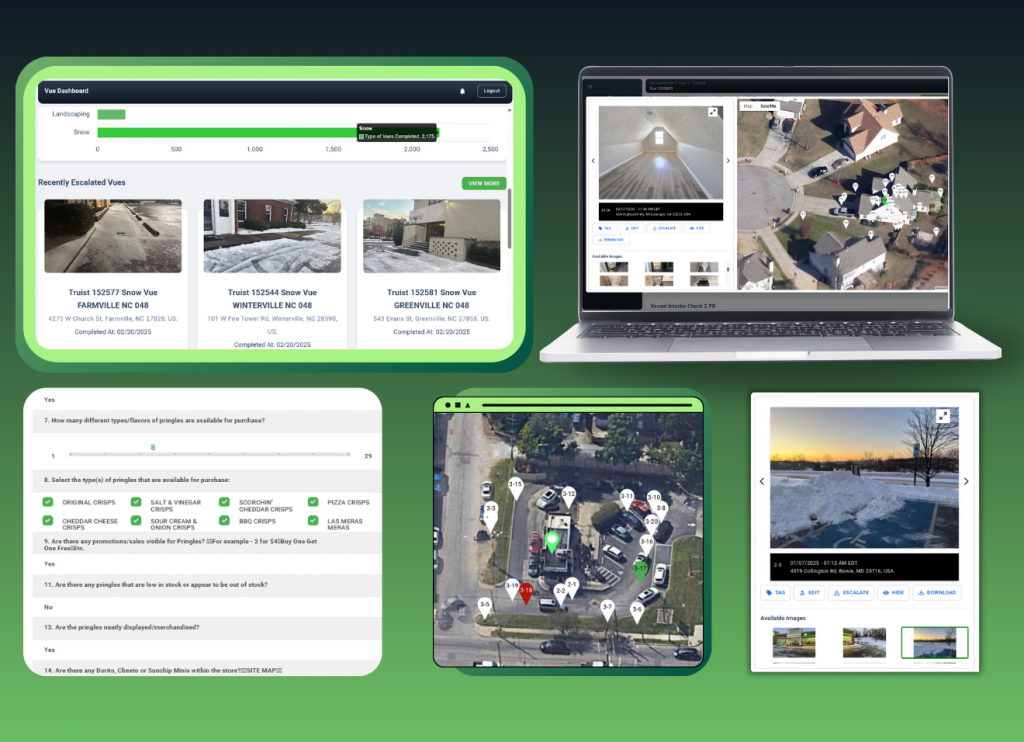
Every facilities team has a version of that story. A snow log with no timestamp. A landscape check-in snapped from the truck. A completed work order with nothing attached at all. A vendor report is a claim until an independent photo confirms it.
What does it cost to find out last?
It costs the window when the problem was still cheap. Without verification, the first alert usually comes from someone outside the operation: a tenant, a customer, a city inspector, an adjuster.
“Unless the tenant says something or we get something from the city saying that there’s a problem.”
FRONTVIEW REIT, ON HOW THEY LEARN A LANDSCAPE VENDOR MISSED A VISIT
The repair is rarely the biggest cost. The bigger ones compound quietly: paying for service visits nobody can confirm happened, disputing damage months later with no baseline to point to, explaining to an insurer what you did to protect a vacant asset, and sending a manager on a long drive to answer a question a photo could have answered.
What does a verified standard look like?
A verified standard means field documentation comes from an independent source, is captured on site, and can’t be changed after the fact. In practice, the operations leaders we work with started holding field data to five tests.
Captured by someone who isn’t the vendor being evaluated.
GPS-confirmed at the actual address, not across the street.
Photos that can’t be edited, swapped, or recycled onto another work order.
Every submission checked for quality before it reaches your desk.
Background-checked people on site, not anonymous drop-ins.
Speed still matters. Fast just doesn’t count if it’s wrong.
What does field verification actually turn up?
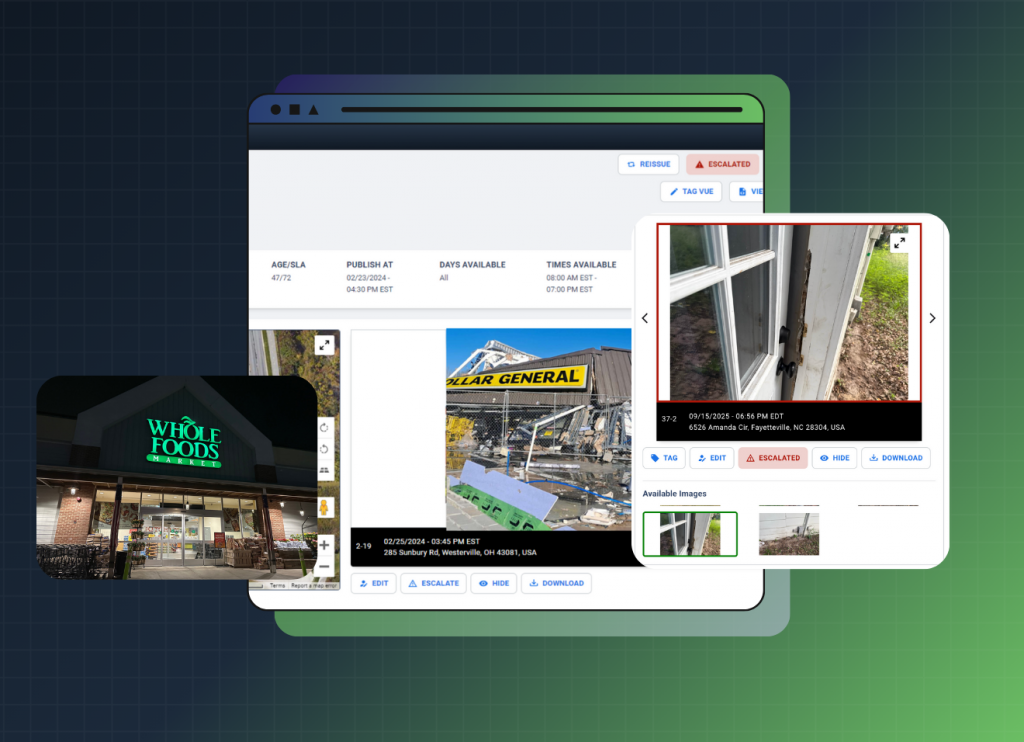
Once teams moved from reported to verified, the gap stopped being theoretical.
Sites flagged as non-compliant or unserviced during an active snowstorm, verified across four states in 3.5 hours, before a single staff member was sent. National FM aggregator
Of 120 stores across 32 states were non-compliant on a product display. The fix: a $40K restock and a 40:1 return. Incredifulls
Single-family homes across 182 zip codes flagged as not lease-ready. SFR portfolio
Drop in compliance issues across 16,100+ stores after 155,078 site inspections held every location to one standard. Dollar General
None of those numbers came from a dashboard. They came from someone standing at the site.
How iVueit built for that shift
We spent 2025 building for the standard our clients were already asking for.
We launched iVueit 4.0, a faster, modern rebuild of the platform, because the people closest to the work deserve tools that keep up with it. We added 10+ people to the team, including a new Director of Engineering & Commercial Sales, so service still feels personal as the work scales.

Behind every Vue, our word for a field inspection, is a Vuer: a vetted member of our mobile workforce, deployed in all 50 states. In 2025, more than half of all Vues were completed by background-checked Vuers. When the first thing operators ask is “who’s taking these photos?”, that number is the answer.
We also pushed further into insurance, where underwriting and claims move on how quickly property condition is known, and into retail, where a promotion’s return depends on whether the display actually went up.
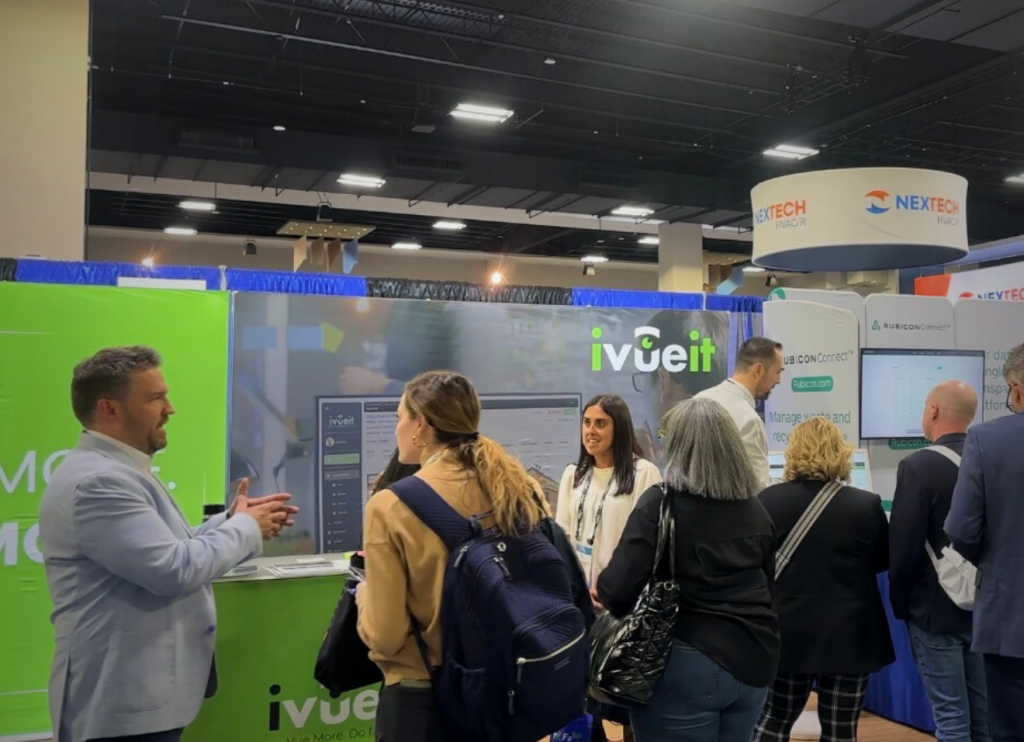
Recognition followed: the Inc. 5000 for the fourth year in a row, climbing in rank, and Landlord-Facing Technology of the Year at the IMN SFR Annual Awards. Both matter most for what they reflect. Operators are relying on the work.
The part that stays with us
That’s real income landing in communities across all 50 states, earned by people doing careful work at properties most of our clients will never personally visit.
The same model lets a small team cover a national portfolio without adding headcount or windshield time. Operations get verified, and the people doing the verifying get paid. That’s the loop we’re building.

The same thinking carried into Vue It Forward and our youth sports work. Growth only means something if the community comes with it.
Three questions to bring into 2026
Before next year’s plan gets locked, these deserve an honest answer.
If the honest answer to any of them is “we’d hear about it,” that isn’t a failure. It’s the visibility gap most portfolios were built with, and it’s the one the best-run operations started closing in 2025.
Field verification FAQ
How do you verify contractor work without a site visit?
Use an independent third party to capture geo-verified, timestamped photos at the property after the work is scheduled to be done. Because the photos come from someone other than the vendor and can’t be edited or reused, they confirm whether the work actually happened, so you can approve the invoice, send the vendor back, or escalate with evidence.
How do you get unbiased third-party property inspections?
Separate the person documenting the site from the person doing the work. An on-demand inspection network deploys vetted, background-checked field inspectors to the address, captures GPS-verified photos against a standard checklist, and has every submission reviewed for quality before it reaches you. iVueit runs this model in all 50 states.
How can you scale property inspections without adding headcount?
Replace windshield time with on-demand site inspections. Instead of sending your own team to every location, a mobile workforce handles the site visit and your team reviews the results from their desk. That lets a small office cover hundreds or thousands of properties and spend its time on decisions, not travel.
How do you standardize inspections across hundreds of locations?
Use the same checklist, photo requirements, and review process at every site, captured by inspectors who aren’t tied to any local vendor. Standardized, independent data makes locations comparable, so issues stand out and every site is held to the same bar.

The best-run operations aren’t lucky. They’re verified. Teams that can see what’s really happening make faster, better decisions than teams running on assumptions, and that gap isn’t getting smaller.
