
How a National Property Service Provider Audited 140 Sites and Found 13 Service Failures After a Winter Storm
A National Commercial Property Service Provider needed rapid proof that snow removal contractors were actually meeting service scope across 140 retail locations. iVueit coordinated field verification across four states and returned compliance data in an average of 3.5 hours per location.
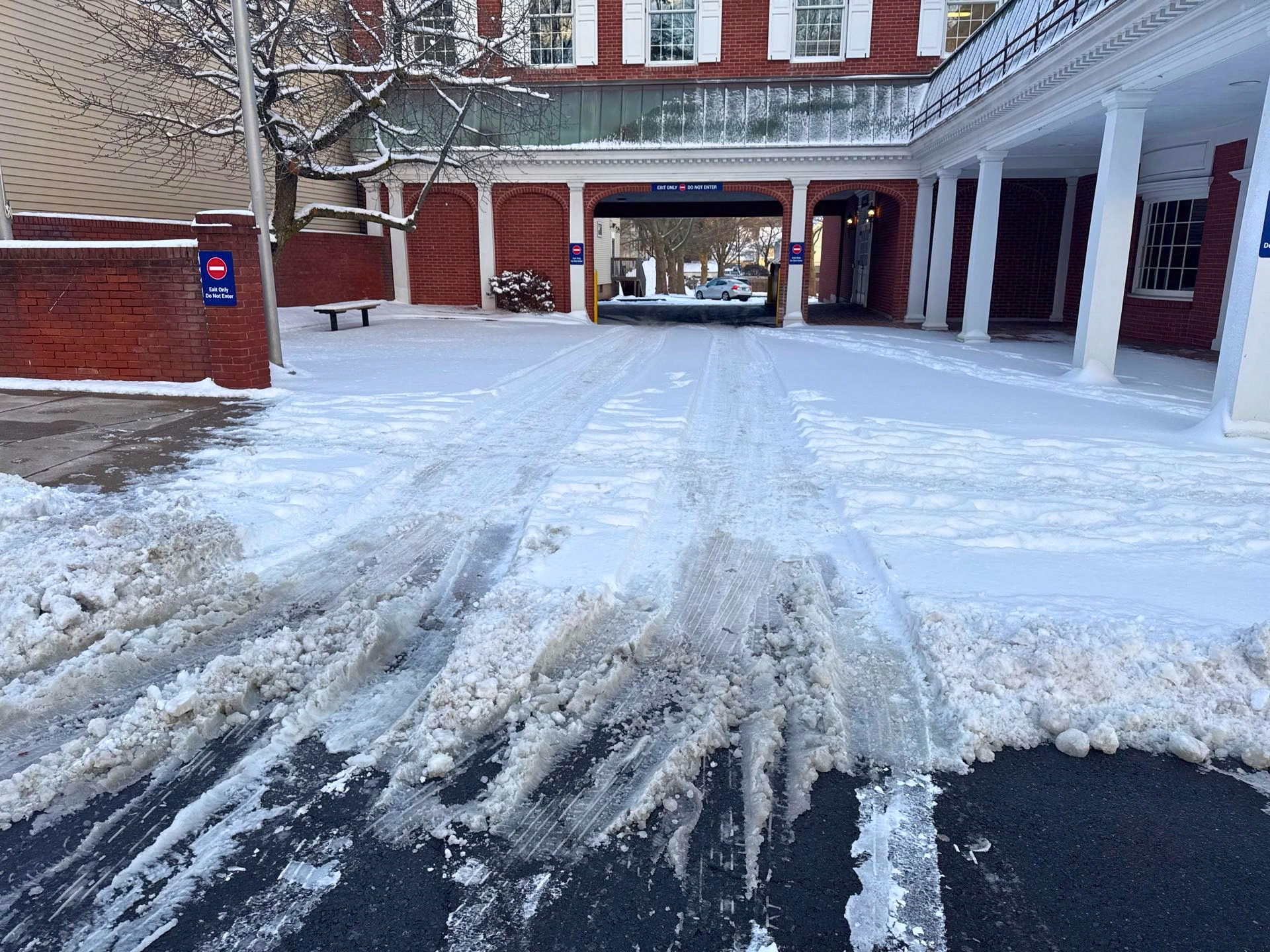
Flagged for service-scope failures
Service Complete Needed to Mean Service Complete.
A National Commercial Property Service Provider managed snow and maintenance services across 140 retail locations in four states. After winter weather, the team needed fast confirmation that contractors had actually cleared parking lots, entrances, sidewalks, handicap spaces, stairs, and ATM access points according to scope.
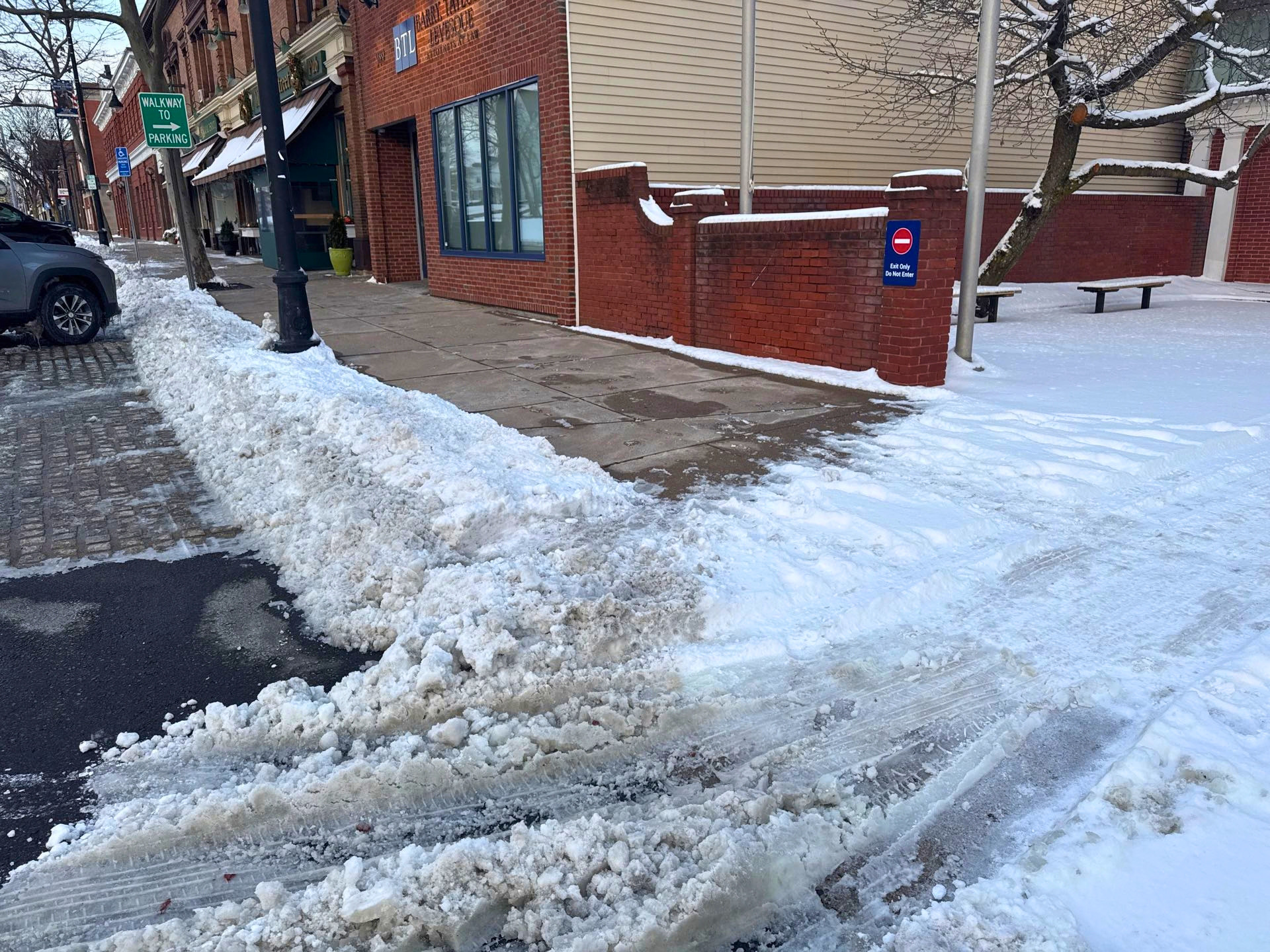
Contractor Status Updates Could Not Show Whether the Site Was Actually Ready.
The team needed current field evidence showing whether critical areas were safe, accessible, and serviced to contract. During an active winter event, delayed or incomplete documentation could leave accessibility issues, operational interruptions, and contractor failures unresolved.
Critical Access Had to Stay Open
Handicap parking spaces, entrances, sidewalks, stairs, and ATM access points needed to remain usable during winter conditions.
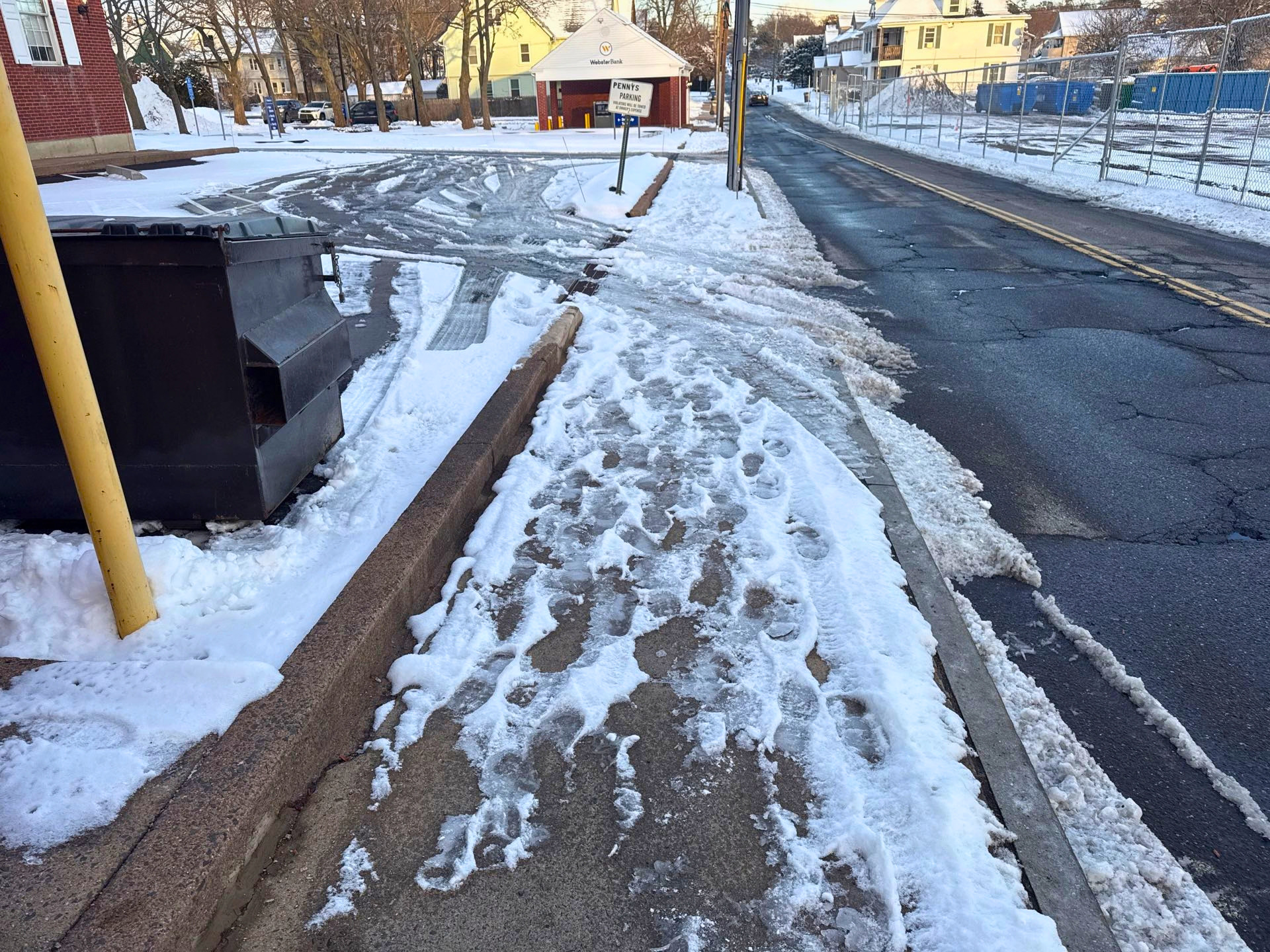
Snow & Ice Created Immediate Risk
Unsalted stairs, uncleared sidewalks, and snow-covered parking areas created conditions requiring fast identification and remediation.
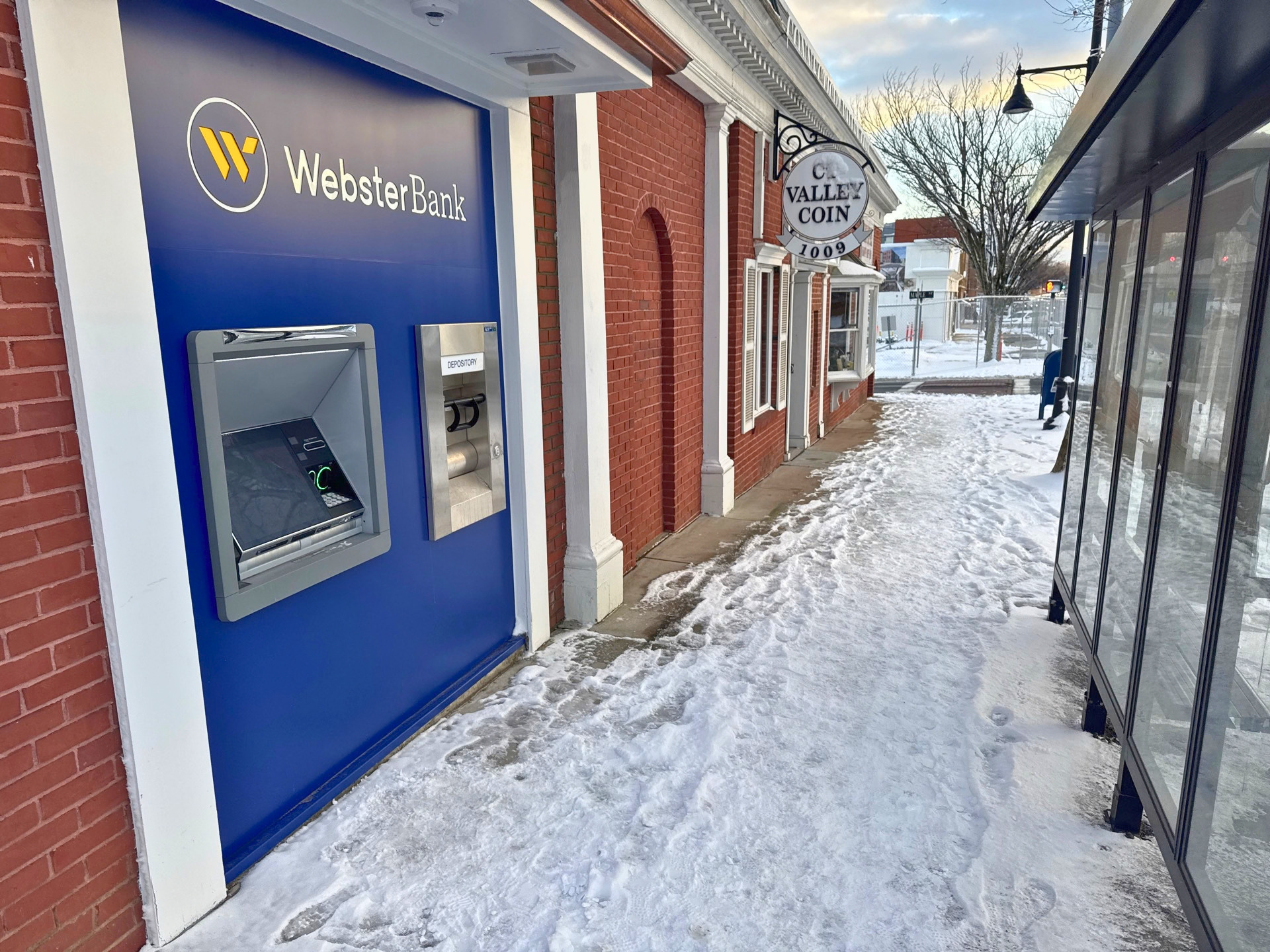
Customers Still Needed Site Access
Drive-thru ATMs, walk-up ATMs, entrances, and parking areas had to remain accessible so locations could continue operating through winter weather.

Contractor Completion Needed Proof
The property team needed independent visual documentation showing where service scope had been completed and where additional work was required.
The Failures Were Impossible to Miss.
The Vues showed exactly where service scope broke down. Each failed location came back with current photographic evidence tied to the condition on site, giving the team something more useful than a contractor status update.
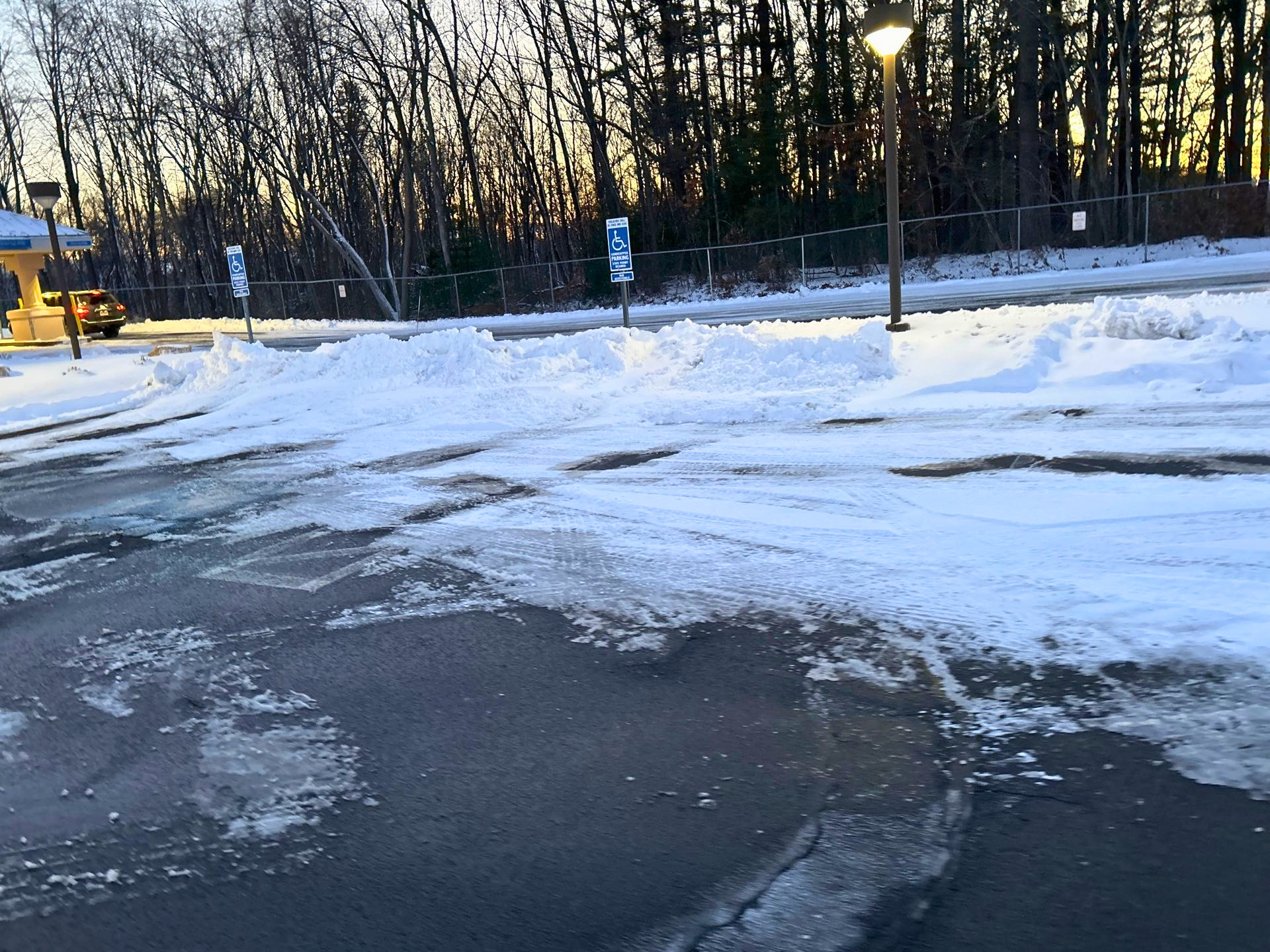
A critical accessibility area remained covered after service was reported complete.

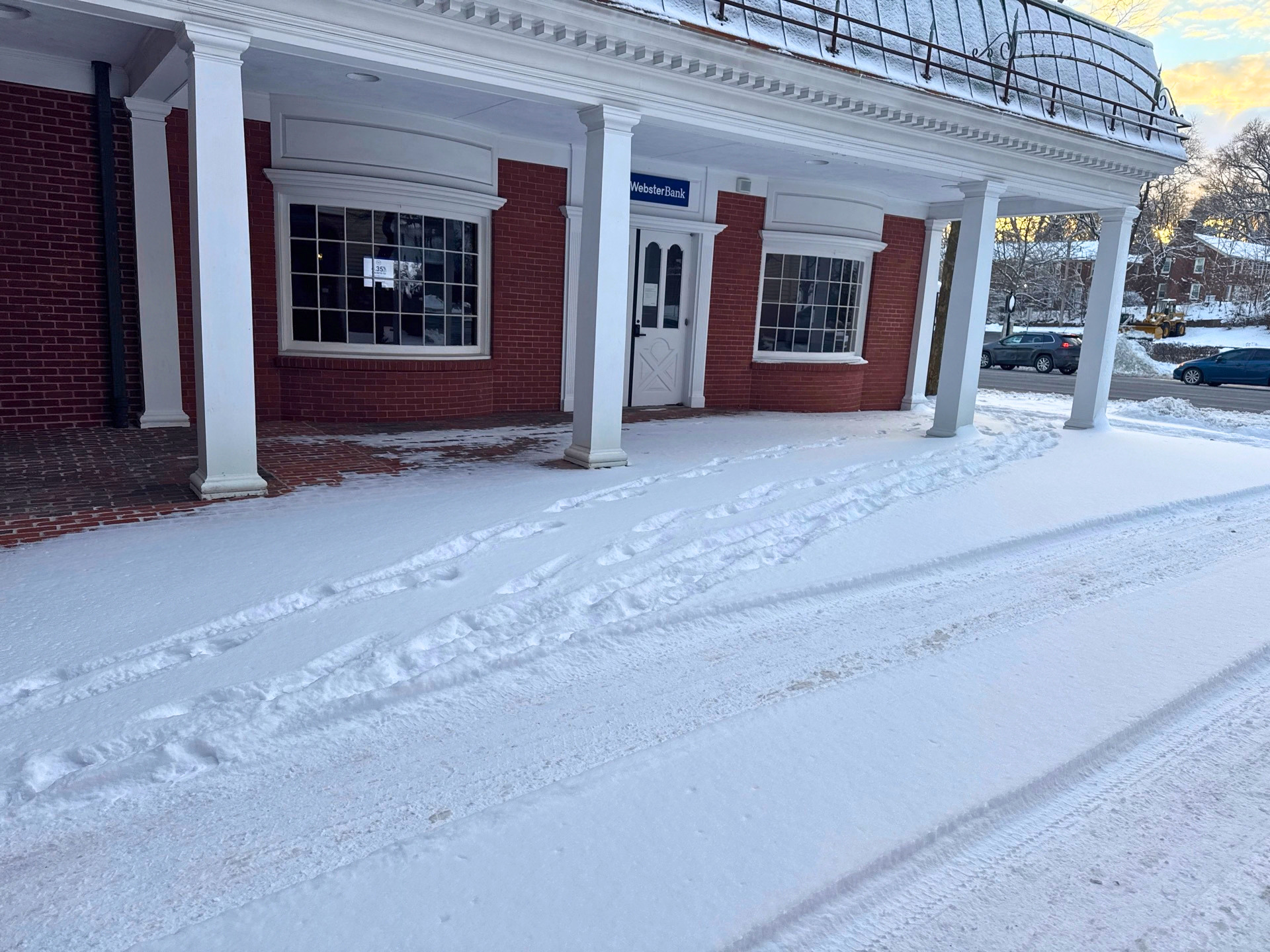
The location could be marked serviced while a major access point still remained blocked by snow.
140 locations. Four states. One coordinated push.
The Average Result Came Back in 3.5 Hours.
127 Sites Met Scope. 13 Did Not.
The audit gave the property team a documented view of contractor performance while conditions were still actionable. Compliant sites had proof of completion. Failed sites had specific visual evidence showing exactly what needed attention.
Contractor Accountability
Visual documentation showed exactly where contracted snow service had not been completed to scope, supporting follow-up and billing conversations.
Faster Emergency Response
The team received current site-level information during active winter conditions instead of waiting for delayed contractor reporting.
Documented Site Conditions
Timestamped and geotagged photographs created a clear record of what conditions looked like when each location was inspected.
Actionable Remediation
Failed locations came back with specific photographic evidence, giving contractors clear direction on which areas still needed attention.
127 compliant. 13 flagged. No guesswork.
This is the difference between “the contractor says they plowed” and having photographic evidence showing what was actually completed, what was missed, and what needed to be fixed.
Your Contractors Say the Sites Are Clear. Can You Prove It?
Verify snow and ice service across distributed properties while conditions are still actionable.
Talk to iVueitADDITIONAL FEATURES